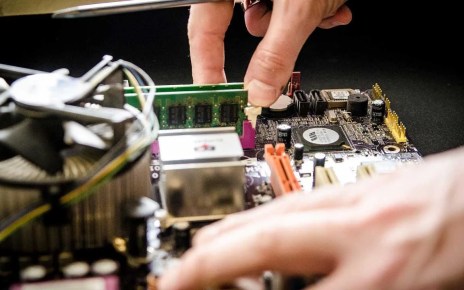
Technology is no longer just evolving it’s accelerating at a pace that feels almost unreal. Every day, the devices around you are becoming smarter, more intuitive, and deeply connected to how you think and act. What used to be simple machines are now transforming into systems that anticipate your needs, streamline your decisions, and subtly guide your digital experiences. This shift isn’t just innovation it’s a complete redefinition of how humans and machines interact.
At the center of this transformation lies intelligent computer systems, a new generation of computing that blends data, algorithms, and adaptive learning into a seamless ecosystem. These systems don’t just process commands, they interpret patterns, predict outcomes, and evolve over time. As you navigate modern technology, you’re no longer just using a computer you’re engaging with a system that learns from you, responds to you, and grows with you.
Evolution of Intelligent Computing
The evolution of computing didn’t happen overnight. It’s the result of years of experimentation, breakthroughs, and an increasing demand for systems that can think beyond programmed logic. Today’s computers are not just faster they’re smarter, capable of adapting in ways that were once considered impossible.
Right after this shift, the emergence of AI powered computing solutions begins to redefine how machines operate across industries. These solutions integrate intelligence directly into the core of computing, enabling systems to analyze, learn, and act without constant human input. It’s not just about automation anymore it’s about creating systems that evolve in real time.
Machine Learning Integration
Machine learning is the driving force behind this transformation. Instead of relying on static instructions, systems now learn from data, improving their accuracy and efficiency over time. Concepts like deep learning models, data-driven algorithms, and real-time analytics engines allow computers to identify patterns that humans might miss. This creates a dynamic environment where systems continuously refine their performance.
Neural Processing Units
Hardware innovation has played a critical role in enabling intelligent computing. Neural Processing Units, or NPUs, are specifically designed to handle AI tasks with speed and efficiency. Unlike traditional processors, NPUs focus on parallel processing, making them ideal for tasks like image recognition and natural language understanding. This advancement ensures that intelligent computing is not just powerful, but also accessible and scalable.
Adaptive System Performance
Modern systems are no longer static they adapt. Whether it’s optimizing performance based on workload or adjusting to user behavior, adaptive computing ensures that systems remain efficient under changing conditions. This is where terms like self-learning systems and real-time performance optimization come into play, highlighting how computers are becoming more responsive and intuitive.
Benefits of AI Powered Systems
As intelligent computing continues to evolve, the benefits become increasingly clear. These systems are not just improving efficiency they are transforming the way we interact with technology on a fundamental level. The integration of AI powered computing solutions into everyday systems creates a seamless experience where speed, accuracy, and personalization work together. This shift allows users to move beyond basic functionality and into a space where technology actively supports their goals and decisions.
Faster Data Processing
One of the most immediate advantages is speed. AI-driven systems can process vast amounts of data in seconds, delivering insights that would take humans significantly longer to uncover. Technologies like edge computing intelligence and high-performance computing systems ensure that data is processed not just quickly, but intelligently.
Predictive Computing Capabilities
Predictive computing takes things a step further by anticipating what comes next. By analyzing past behavior and current data, systems can forecast trends, identify risks, and suggest actions before problems even arise. This capability is especially valuable in business environments where timing and accuracy are critical. As Andrew Ng once stated, “artificial intelligence is the new electricity, emphasizing how deeply integrated AI has become in powering modern innovation.”
Enhanced User Personalization
Personalization is where intelligent systems truly shine. From curated recommendations to customized interfaces, AI ensures that every interaction feels tailored to the individual. This not only improves user satisfaction but also increases engagement and productivity across platforms.
Applications Across Industries
The influence of intelligent computing extends far beyond personal devices. Industries around the world are leveraging these systems to drive innovation, improve efficiency, and deliver better outcomes. With AI powered computing solutions at the core, businesses are able to transform traditional processes into intelligent workflows that adapt and evolve with changing demands.
Healthcare Diagnostics
In healthcare, intelligent systems are revolutionizing diagnostics and patient care in ways that feel both precise and transformative. Powered by intelligent computer systems, AI can analyze complex medical images like X-rays, CT scans, and MRIs with a level of detail that significantly reduces the risk of missed abnormalities. It can detect subtle anomalies early, giving doctors a crucial head start in identifying serious conditions. At the same time, these systems assist medical professionals by providing data-driven insights that support more accurate and confident diagnoses. This not only improves patient outcomes but also accelerates the entire healthcare process, making treatments faster, more efficient, and increasingly personalized.
Financial Data Analysis
The financial sector relies heavily on data, and intelligent systems provide the tools needed to analyze it effectively. From fraud detection to investment strategies, AI enables faster and more accurate decision-making, reducing risks and increasing efficiency.
Creative and Design Tools
Creativity is also being reshaped by AI. Designers and creators now have access to tools that can generate ideas, optimize layouts, and enhance visual content. This collaboration between human creativity and machine intelligence opens up new possibilities for innovation. As Satya Nadella highlights, “AI is fundamentally transforming every industry, and its impact on creativity and productivity is only just beginning to unfold.”
Upgrade to Smarter AI Driven Computing Today
The shift toward intelligent computing is not something you can ignore. It’s already happening, quietly shaping the way you work, create, and interact with the world. The real question is how you choose to respond to it. When you start embracing intelligent computer systems, you’re not just upgrading your technology you’re upgrading your potential. You begin to see how smarter systems can simplify complex tasks, enhance your decision-making, and open doors to opportunities that were previously out of reach. This is where technology stops being a tool and starts becoming a partner in everything you do. Now is the moment to rethink how you use technology and take a step toward smarter, more adaptive computing.