Technology has quietly slipped into every corner of life, shaping decisions, habits, and even the way people think without demanding attention. What once felt like distant innovation now operates in the background, guiding daily routines with invisible precision. The most fascinating part is not the technology itself, but how effortlessly it blends into human behavior, making complex systems feel natural and intuitive.
The evolution of future technology is accelerating at a pace that feels almost surreal, transforming industries and redefining possibilities in ways many fail to notice. This ongoing shift is not just about machines becoming smarter, but about how humans interact with intelligence that adapts, predicts, and responds in real time, creating a seamless bridge between intention and outcome.
Emerging Technology Landscape
The modern tech ecosystem is no longer linear. It is layered, interconnected, and constantly evolving, creating a dynamic environment where innovation feeds on itself. This is where emerging tech trends innovation becomes more than just a phrase, it becomes a driving force that shapes how technologies are developed, adopted, and scaled across industries. Understanding this landscape means recognizing patterns, anticipating shifts, and identifying opportunities before they become mainstream. As Satya Nadella once emphasized, “technology’s true impact lies in how it empowers people and organizations to achieve more, not just in the tools themselves.”
Artificial Intelligence Expansion
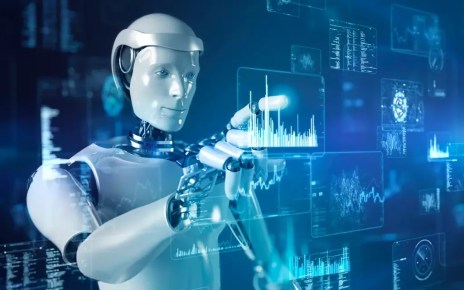
Artificial Intelligence continues to expand beyond expectations, embedding itself into systems that learn, adapt, and evolve. From AI-powered decision making systems to machine learning advancements 2026, the growth of AI reflects a shift toward predictive intelligence. This expansion is not just technical, it is experiential. Businesses now rely on AI to interpret data patterns, forecast outcomes, and automate complex workflows, making operations faster and more efficient.
Internet of Things Evolution
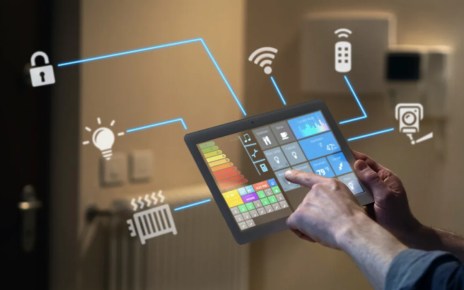
The Internet of Things has transformed static devices into living networks. With IoT smart ecosystems and connected devices network expansion, everyday objects now communicate and collaborate. This evolution creates an environment where data flows continuously, enabling real-time decisions and seamless automation. Whether in smart homes or industrial systems, IoT bridges the gap between physical and digital realities.
Quantum Computing Potential
Quantum computing introduces a paradigm shift in how problems are solved. Through quantum computing breakthroughs and next-gen computational power, it opens possibilities that traditional systems cannot handle. Its potential lies in solving complex calculations within seconds, redefining fields like cryptography and scientific research. While still emerging, its trajectory signals a transformative future.
Impact on Daily Life and Business
Technology has moved far beyond its old role as a mere supporting tool. It now acts as a central force that quietly orchestrates both personal experiences and business strategies, often without people even realizing it. From the way apps anticipate preferences to how companies analyze behavior in real time, intelligent systems have reshaped expectations. Efficiency is no longer a bonus, it is the baseline. Speed is assumed, not admired. Personalization has become the standard, not the exception.
This deep integration of technology into everyday life is what makes modern innovation feel almost invisible yet incredibly powerful. As Sundar Pichai pointed out, “the real power of technology is its ability to make life easier and more accessible,” and that idea is now fully realized in how seamlessly digital systems adapt to human needs. What once required effort and time is now handled instantly, allowing individuals and businesses to focus more on creativity, strategy, and meaningful interactions rather than routine processes.
Smart Automation in Workplaces
Workplaces are evolving into intelligent environments powered by smart workflow automation tools and AI-driven productivity systems, and honestly, the office is starting to feel less like a place and more like a living system that thinks alongside you. Tasks that once required hours are now completed in minutes, sometimes before you even finish your coffee, which is both impressive and mildly unsettling if you think about it too long. This shift frees individuals from repetitive, mechanical work and redirects their energy toward creativity, problem-solving, and strategic thinking. Teams can now focus on ideas that actually move the needle instead of getting stuck in endless operational loops. Over time, this transformation is quietly redefining what productivity even means in the digital age, turning it from how much you do into how much value you create.
Digital Transformation Strategies
Organizations are embracing cloud computing scalability solutions and enterprise digital transformation frameworks to stay competitive. Digital transformation is no longer optional, it is essential. Businesses that adapt quickly gain a significant advantage, using data insights to guide decisions and improve performance across all levels.
Personalized User Experiences
User expectations have changed dramatically. Through behavioral analytics technology and AI recommendation engines, experiences are now tailored to individual preferences. This personalization creates deeper engagement, making interactions feel relevant and meaningful rather than generic.
Challenges and Ethical Considerations
Rapid innovation always comes with a price tag, and no, it’s not just financial. As technology grows more powerful, it starts raising uncomfortable questions about responsibility, ethics, and long-term consequences that people can’t just scroll past. Systems that make decisions, collect data, and influence behavior don’t operate in a vacuum. They shape real outcomes, which means accountability can’t be treated as an afterthought. The faster things evolve, the harder it becomes to keep control, and that’s where the real tension begins.
Balancing innovation with accountability isn’t some optional moral checkbox, it’s what determines whether progress actually benefits people or quietly creates new problems. Without clear boundaries, transparency, and ethical consideration, even the most advanced technology can drift into risky territory. Sustainable progress depends on building systems that are not only powerful, but also responsible, reliable, and designed with long-term impact in mind.
Data Privacy Concerns
The rise of data protection frameworks and secure data encryption systems reflects growing concerns about privacy. Users are more aware of how their data is collected and used. Trust becomes a defining factor. Without transparency, even the most advanced technologies risk losing user confidence.
AI Ethics and Regulations
The development of AI governance policies and ethical AI frameworks highlights the need for responsible innovation. Issues like bias, fairness, and accountability cannot be ignored. Ensuring ethical AI is not just about compliance, it is about building systems that benefit everyone without unintended harm.
Technology Dependency Risks
Dependence on technology continues to grow, bringing with it digital dependency challenges and technology risk management systems. While technology enhances efficiency, over-reliance can create vulnerabilities. Building resilience becomes essential, ensuring systems can adapt and recover when disruptions occur.
Stay Ahead with Future Ready Technology
The future is not something that simply arrives, it is something that is actively shaped by those who are willing to adapt and evolve. Staying relevant means understanding trends, questioning assumptions, and continuously learning from the changes happening around you. The reality is clear, ignoring the evolution of future technology is no longer an option if you want to remain competitive and informed. The journey forward is not about chasing every trend, but about recognizing which innovations truly matter and how they align with your goals. Now is the time to pay attention, stay curious, and move forward with intention.